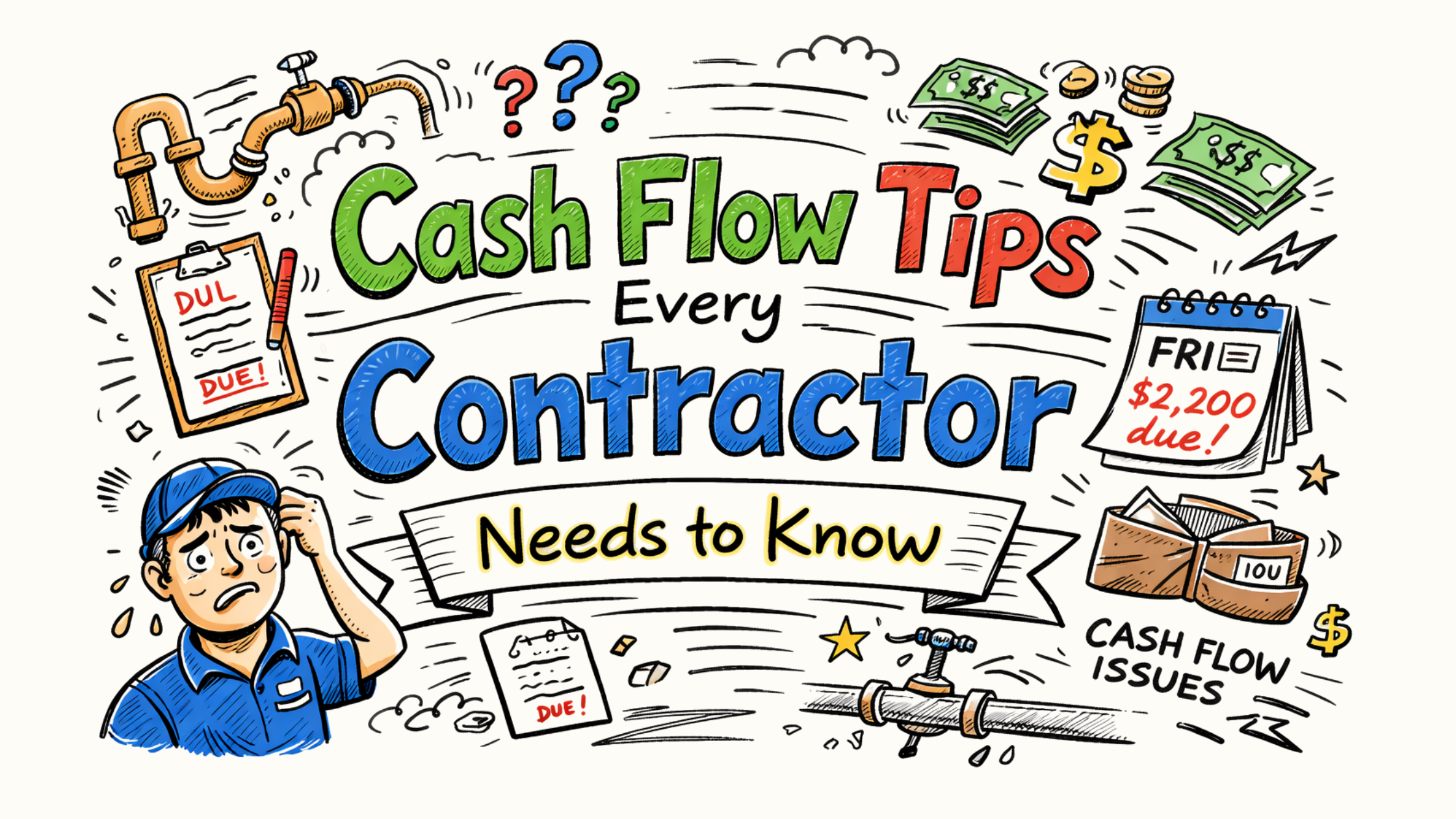
Danny's a plumber. Good one, too. Last month he wrapped three solid jobs and billed over $14,000. In reality? His checking account couldn't cover a $2,200 supply house bill due on Friday. Two clients hadn't paid yet. The third paid half and promised the rest next week. Danny's not broke. He's cash-flow broke. And if you've been in the trades longer than six months, you know exactly how that feels.
Cash flow problems aren't rare in this industry. The gap between finishing work and receiving payment is where contractors get crushed. You're paying for materials upfront, covering gas, labor, and insurance. Meanwhile, that invoice is sitting in someone's inbox, unpaid.
Why Profitable Contractors Still Go Broke
Profit and cash flow are not the same thing. Profit is what's left after expenses on a job. Cash flow is when that money actually hits your account. You can be profitable on every single project and still not have enough cash to buy materials for the next one. Danny proved that.
The most common cause of contractor business failure isn't lack of work or lack of skill. It's lack of cash when it matters. You can have a full schedule and still lose the business if the timing of money in versus money out doesn't work.
Structure Your Payments So You're Not Floating Every Job
If you're only collecting money when the job is done, you're financing your clients' projects for free. Stop that.
- Require deposits upfront. For jobs under $10,000, a 50% deposit before you start is standard. For larger projects, 20-30% with milestone payments is common.
- Bill at milestones, not just at the end. Break larger jobs into stages with a payment tied to each phase.
- Put payment terms in writing and enforce them. Net-15 or Net-30, plus a late fee for overdue invoices.
Danny started requiring a 40% deposit on jobs over $3,000. Did a single client walk? Not one. Most expected it.
Build a Cash Reserve Even a Small One
Financial advisors recommend businesses keep three to six months of operating expenses in reserve. You don't have to get there overnight. Automate a transfer of 5-10% of every payment into a separate savings account. Even $200 per job adds up fast.
Danny opened a high-yield business savings account and started auto-transferring $150 from every completed job. After six months, he had over $4,000 sitting there. Enough to cover a slow January without panic.
Separate Your Money For Real This Time
- Open a dedicated business checking account. Every dollar from clients goes in, every business expense comes out. Period.
- Get a business credit card for supplies, tools, and job-related purchases. It builds business credit and makes tracking simple.
- Pay yourself a fixed amount weekly or monthly. Treat your business as a separate entity, because it is.
Getting Paid Faster Changes Everything
Invoice the same day you complete the job. Make it non-negotiable. Accept multiple payment methods. The easier you make it to pay, the faster people pay.
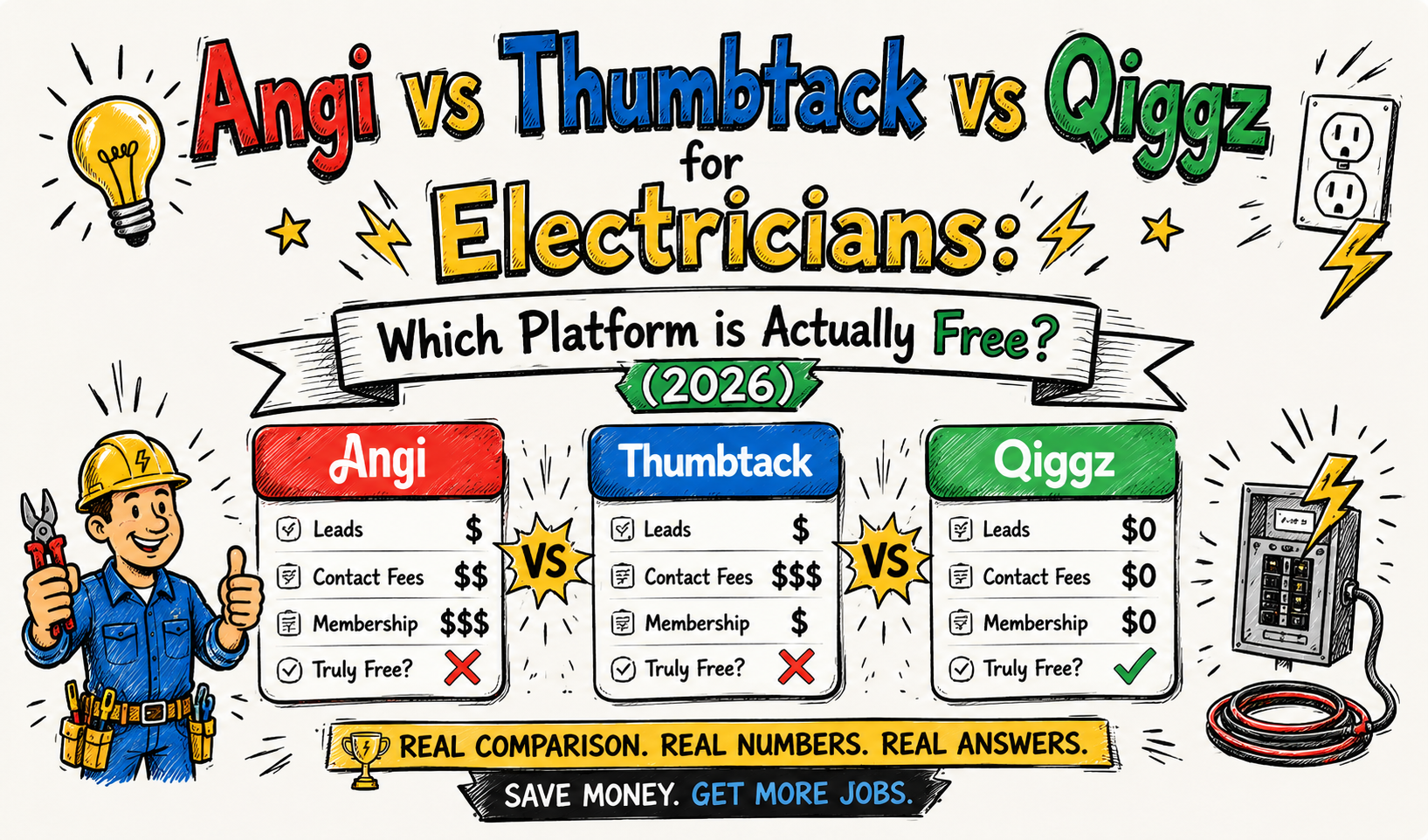
The platform you use to find work also matters here. Platforms that skim commissions off every job aren't just annoying: they reduce what you actually take home. Qiggz keeps 0% of your earnings. You keep 100%. Direct chat with clients means payment conversations happen in real time with no middleman slowing things down. For a contractor managing tight cash flow, that's not a small difference.
Frequently asked questions
What is the difference between profit and cash flow?
Profit is what is left after expenses on a job. Cash flow is when that money actually hits your account. You can be profitable on every single project and still not have enough cash to buy materials for the next one, which is why contractors with full schedules still get into trouble.
How much deposit should a contractor ask for?
For jobs under $10,000, a 50% deposit before you start is standard. For larger projects, 20% to 30% upfront with milestone payments tied to each phase is common. If you only collect money when the job is done, you are financing your clients' projects for free. Most clients expect a deposit.
How much money should a contractor keep in reserve?
Financial advisors recommend keeping three to six months of operating expenses in reserve. You do not have to get there overnight. Automate a transfer of 5% to 10% of every payment into a separate savings account. Even a couple of hundred dollars set aside per job adds up faster than you would expect.
Why do profitable contractors still run out of money?
Because the most common cause of contractor business failure is not lack of work or lack of skill, it is lack of cash when it matters. The gap between finishing work and receiving payment is where contractors get crushed. You cover materials, gas, labor, and insurance upfront while the invoice sits unpaid.
How can a contractor get paid faster?
Invoice the same day you complete the job and make that non-negotiable. Accept multiple payment methods, because the easier you make it to pay, the faster people pay. Put payment terms in writing, such as Net-15 or Net-30 with a late fee for overdue invoices, and then actually enforce them.