Introduction
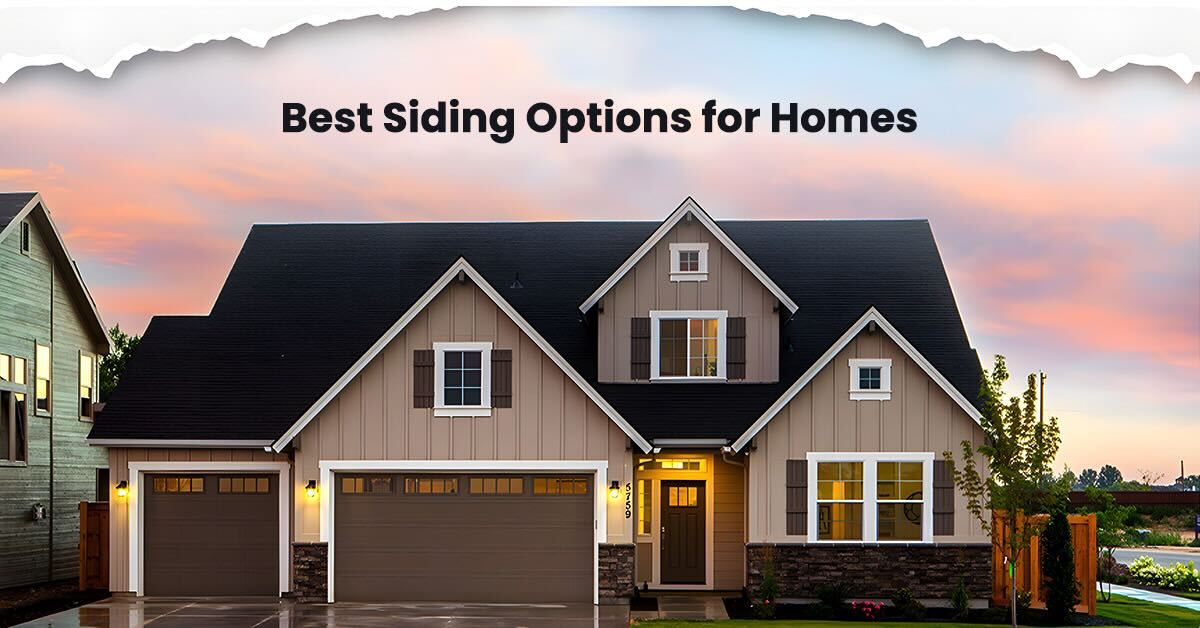
Selecting appropriate home siding is essential for ensuring comfort, safety, and long-term value across the diverse climates found throughout the United States. From moist coastal regions to dry continental areas with temperature extremes, homeowners must consider siding materials that protect against moisture, temperature variations, and seasonal changes specific to their location.
Climate Considerations Across the U.S.
Coastal and Humid Climates
- Frequent rain and high humidity demand moisture-resistant materials.
- Recommended: Fiber cement, vinyl, cedar (with maintenance), aluminum metal.
Continental and Extreme Temperature Climates
- Hot summers and cold winters require thermally stable siding.
- Recommended: Fiber cement, engineered wood, insulated vinyl, steel siding.
Looking to upgrade your siding or planning a new build? Platforms like Qiggz connect homeowners with local siding professionals—quickly, directly, and without lead fees.
Detailed Siding Material Analysis
Fiber Cement
Durable against rot, pests, and fire. Performs well in various climates. Low maintenance and aesthetically versatile.
Vinyl Siding
Affordable and rot-resistant. Works in most climates. Insulated options boost efficiency. Easy to clean.
Wood Siding (Cedar)
Natural beauty, moisture-resistant, but requires consistent sealing and maintenance—less ideal for wildfire-prone zones.
Engineered Wood
Good thermal stability, resists pests and moisture, easier upkeep than natural wood, suits multiple climate types.
Metal Siding
Moisture and fire resistant. Ideal for coastal and wildfire-prone areas. Aluminum resists corrosion; steel resists impacts.
Stucco/EIFS
Less common in wet climates. More suitable for dry, arid regions with proper drainage and professional installation.
Brick/Stone Veneer
Durable, fire-resistant, low maintenance. High cost, used mostly as accent siding across various regions.
Climate-Based Recommendations
Humid and Coastal Regions
- Fiber Cement: Highly recommended
- Vinyl: Cost-effective
- Cedar Wood: Requires maintenance
- Engineered Wood: Good alternative
- Metal: Modern, durable
Continental and Dry Climates
- Fiber Cement: Excellent stability and fire resistance
- Engineered Wood: Handles climate extremes
- Vinyl: Affordable and insulated versions available
- Metal: Superior fire protection
- Stucco: Suited for dry heat
Conclusion
Choosing the right siding for your home influences energy efficiency, protection, and curb appeal. Fiber cement, engineered wood, and vinyl are standouts. Proper installation and maintenance are crucial for long-lasting results tailored to your regional climate.
Need help finding the right pro?
Post your job today on Qiggz and connect directly with trusted local tradeworkers near you—no fees, no middlemen, just results.