Introduction: Finding the Right Furnace Matters
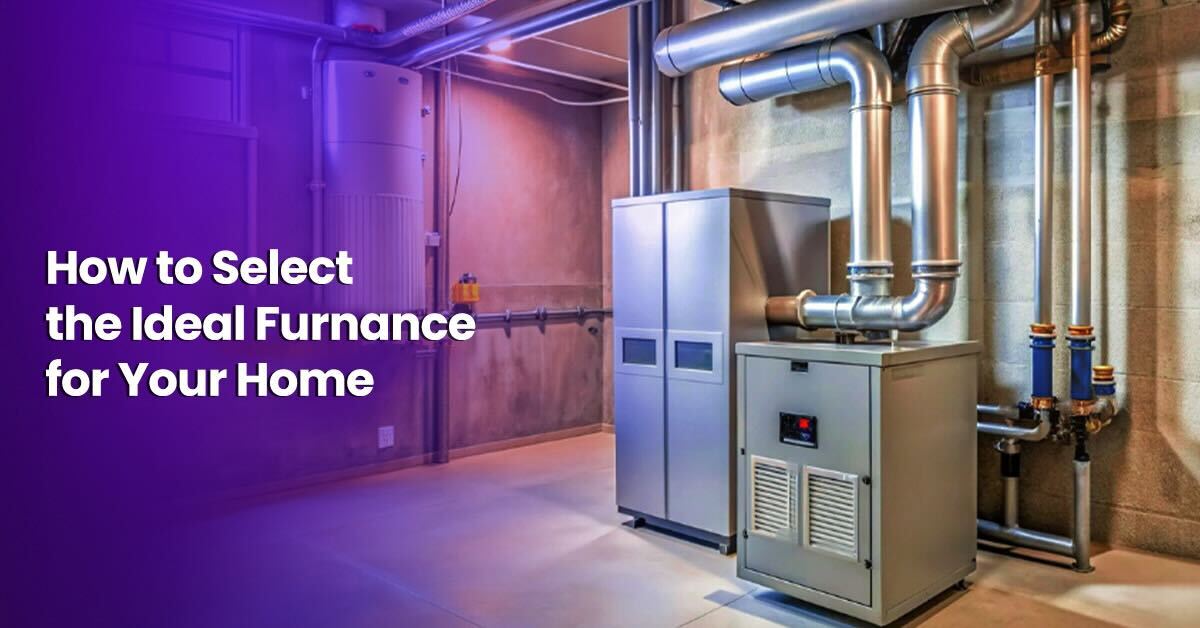
Selecting the ideal furnace is essential to achieving comfort, reducing energy bills, and increasing the value of your home. With diverse climates across the United States, from humid coastal regions to dry continental areas and everything in between, this guide thoroughly explores climate considerations, furnace types, efficiency ratings, proper sizing, fuel options, total costs, available rebates, and contractor selection.
Understanding Your Local Climate
Mild, Humid Climates
Coastal and moderate climate regions feature mild winters with higher humidity levels. Temperatures seldom fall to extreme lows, but moisture control becomes important. The ideal furnace for these regions prioritizes energy efficiency and humidity management.
Cold Climate Regions with Temperature Extremes
Northern and continental climate areas experience colder winters and significant temperature swings between seasons. Homes in these regions require furnaces with substantial heating power and energy-efficient solutions. Robust heating capacity and seasonal versatility are key considerations.
Connect with Qiggz
Simplify finding reputable HVAC contractors by using Qiggz. Post your project, get transparent proposals, and choose from highly rated, independent professionals with ease.
Types of Furnaces and Heating Systems
Natural Gas Furnaces (Including Propane)
Perfect for cold climate regions, gas furnaces provide fast, consistent heat. Modern models reach up to 98% AFUE, offering reliable warmth and reduced energy costs. Maintenance includes annual inspections and cleaning.
Electric Furnaces
Electric furnaces suit smaller or milder-climate homes. Though inexpensive to install, they incur higher electricity costs over time.
Oil Furnaces
Common in rural areas lacking gas access. They produce high heat output but require consistent fuel supply and maintenance.
Heat Pumps
Heat pumps serve both heating and cooling, ideal for moderate climates. In colder regions, they can supplement primary heating systems for seasonal efficiency.
Dual-Fuel (Hybrid) Systems
Combining a heat pump and furnace, these systems auto-switch based on outdoor temperatures, delivering optimal energy efficiency year-round.
Energy Efficiency: Ratings, Technologies, and Benefits
- AFUE: Measures fuel-to-heat conversion. Higher AFUE means better efficiency.
- HSPF & SEER: Rates heat pump performance in heating and cooling.
- Smart Thermostats: Enhance efficiency and control through automation and remote access.
Proper Furnace Sizing: Importance and Best Practices
Proper sizing prevents inefficiency and wear. Ask your contractor for a Manual J load calculation to ensure optimal performance based on insulation, windows, and climate.
Fuel Options: Balancing Efficiency and Cost
- Natural Gas: Efficient and cost-effective.
- Electric: Ideal with efficient heat pumps.
- Oil/Propane: Suitable for off-grid homes; higher cost.
Total Cost Considerations
- Installation: Mid-range for gas, high for heat pumps, low for electric.
- Operation: Gas and heat pumps offer savings over time.
- Maintenance: Gas/oil need annual service; heat pumps bi-annual.
Choosing the Right Contractor
Ensure contractor quality by verifying licenses, system-specific experience, itemized bids, and warranties. Use Qiggz to find trusted local experts easily.
Conclusion: The Perfect Furnace Awaits
Choosing the ideal furnace involves balancing climate, efficiency, comfort, and costs. Evaluate your home's needs, explore options, and connect with local experts on Qiggz to enjoy long-term savings and reliable heating.
Ready to upgrade your home's heating system?
Post your project on Qiggz today. Your trusted source for reliable HVAC professionals across the United States.